
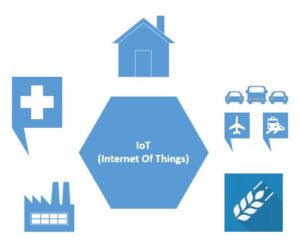
The term “Internet of Things” (IoT) has become increasingly prevalent in recent years, sparking curiosity and raising questions about its true meaning and impact. Is it simply a buzzword, or does it represent a genuine technological revolution? This article provides a thorough exploration of the Internet of Things, delving into its core principles, operational mechanics, potential applications, and the challenges that accompany its widespread adoption.
Defining the Landscape: What Exactly is the Internet of Things?
At its essence, the Internet of Things (IoT) refers to a vast and interconnected network of physical objects, or “things,” that are equipped with embedded technologies. These technologies include sensors, actuators, software, and communication capabilities, enabling these objects to collect, transmit, and exchange data with other devices and systems over the internet. Essentially, the IoT aims to extend the power of the internet beyond computers and smartphones to a wide range of everyday objects, empowering them with the ability to sense, communicate, and interact with their environment and with us.
Consider the possibilities: a smart refrigerator that not only tracks its contents but also anticipates when you’re running low on essential items and automatically places an order for you; a sophisticated thermostat system that learns your preferred temperature settings and adjusts the climate in your home based on your location, the time of day, and even the weather forecast; or wearable fitness trackers that continuously monitor your vital signs, activity levels, and sleep patterns, providing personalized insights and sharing that data with your physician for proactive healthcare management. These are just a few compelling examples of how the IoT is transforming the way we live, work, and interact with the world around us.
Deconstructing the IoT Ecosystem: Key Components and Their Roles
To fully appreciate the intricacies of the IoT, it’s essential to understand the fundamental components that comprise its ecosystem:
- Physical Devices (“Things”): This category encompasses an incredibly diverse range of objects, from simple and commonplace items like light bulbs, coffee makers, and door locks to more complex and sophisticated systems such as automobiles, industrial machinery, and even implantable medical devices. These “things” are equipped with sensors, actuators, and specialized hardware that enable them to gather data, respond to stimuli, and perform specific tasks.
- Network Connectivity: The ability to communicate and transmit data is paramount in the IoT. These devices typically rely on a variety of network technologies to connect to the internet and other devices, including Wi-Fi, Bluetooth, cellular networks (4G, 5G, and beyond), and specialized protocols such as Zigbee, LoRaWAN, and NB-IoT, each optimized for different use cases and environments.
- Sensors: Sensors serve as the “eyes and ears” of IoT devices, gathering data from their surroundings. They can detect a wide array of environmental parameters, including temperature, pressure, humidity, light levels, motion, location, and even chemical composition.
- Embedded Software: The software embedded within IoT devices is critical for processing the data collected by sensors, controlling actuators, and enabling communication with other devices and systems. This software can range from simple firmware to complex operating systems and application-specific programs.
- Data Analytics: The vast amounts of data generated by IoT devices are only valuable when they are analyzed to extract meaningful insights. Data analytics tools and techniques, including machine learning algorithms and statistical modeling, are used to identify patterns, predict trends, and optimize performance.
- Cloud Computing: The cloud provides the necessary infrastructure for storing, processing, and managing the massive volumes of data generated by the IoT. Cloud platforms offer scalable storage, powerful computing resources, and a range of services that enable developers to build and deploy IoT applications quickly and efficiently.
How IoT Works: A Step-by-Step Illustration
Let’s consider the example of a smart thermostat in a home to illustrate how the IoT functions in practice:
- Sensing: The thermostat uses a built-in sensor to continuously monitor the current temperature in the room.
- Data Capture: The thermostat collects this temperature data along with other relevant information, such as the time of day, your pre-programmed temperature preferences, and potentially even data from external weather services.
- Establishing a Connection: The thermostat connects to your home’s Wi-Fi network, establishing a connection to the internet.
- Data Transmission: The collected data is securely transmitted to a cloud server, where it can be stored and processed.
- Intelligent Analysis & Decision-Making: The cloud server analyzes the data, comparing the current temperature to your desired settings and taking into account factors such as the time of day and the weather forecast. Based on this analysis, the server determines whether a temperature adjustment is needed.
- Remote Control & Command: If an adjustment is required, the cloud server sends a command back to the thermostat, instructing it to either raise or lower the temperature.
- Actuation: The thermostat receives the command from the cloud server and activates the heating or cooling system accordingly, adjusting the temperature to the desired level.
This entire sequence of events happens seamlessly and automatically, without any manual intervention, creating a more comfortable and energy-efficient living environment.
The Transformative Potential of IoT: A Wealth of Benefits
The Internet of Things holds immense potential to transform various aspects of our lives and industries, offering a wide range of benefits:
- Increased Efficiency and Productivity: Automating tasks, streamlining processes, and optimizing resource utilization can lead to significant gains in efficiency and productivity across various sectors.
- Improved Decision-Making: Access to real-time data and analytics enables businesses and individuals to make more informed and data-driven decisions, leading to better outcomes.
- Enhanced Customer Experiences: Providing personalized services, creating more engaging experiences, and offering proactive support can enhance customer satisfaction and loyalty.
- Reduced Costs and Waste: Optimizing operations, preventing equipment failures, and reducing energy consumption can lead to significant cost savings and reduced waste.
- New Business Opportunities and Revenue Streams: The IoT creates opportunities for businesses to develop innovative products and services, enter new markets, and generate new revenue streams.
IoT Applications: A Glimpse into the Future
The applications of the IoT are vast and rapidly expanding across numerous sectors:
- Smart Homes: Automated lighting, smart thermostats, connected appliances, and advanced security systems enhance comfort, convenience, and energy efficiency in homes.
- Wearable Technology: Fitness trackers, smartwatches, and other wearable devices monitor health and fitness metrics, providing personalized insights and promoting healthier lifestyles.
- Healthcare: Remote patient monitoring, smart medical devices, and telemedicine enable more efficient and effective healthcare delivery, improving patient outcomes.
- Manufacturing: Predictive maintenance, supply chain optimization, and quality control systems enhance efficiency, reduce downtime, and improve product quality in manufacturing operations.
- Agriculture: Precision farming techniques, livestock monitoring systems, and crop management tools enable farmers to optimize yields, reduce costs, and improve sustainability.
- Transportation: Autonomous vehicles, smart traffic management systems, and connected logistics networks enhance safety, reduce congestion, and improve efficiency in transportation.
Challenges and Considerations in the IoT Landscape
While the IoT holds tremendous potential, it also presents several challenges and considerations that must be addressed to ensure its responsible and successful adoption:
- Security: Protecting IoT devices and networks from cyberattacks and data breaches is paramount, as vulnerabilities in these systems can have serious consequences.
- Privacy: Ensuring the privacy and security of the data collected by IoT devices is essential, as this data can be highly sensitive and personal.
- Interoperability: Ensuring that devices from different manufacturers can communicate and work together seamlessly is crucial for creating a truly interconnected ecosystem.
- Scalability: Building IoT systems that can scale to handle the massive volumes of data and devices that will be connected in the future is a significant challenge.
- Data Management: Effectively managing and analyzing the vast amounts of data generated by IoT devices requires robust data management infrastructure and expertise.
The Future of IoT: A World of Connected Possibilities
The Internet of Things is constantly evolving, with new technologies and applications emerging every day. As connectivity becomes more pervasive and affordable, we can expect to see even more “things” becoming connected, creating a truly interconnected world where data flows seamlessly between devices, systems, and people, empowering us to live smarter, work more efficiently, and make more informed decisions. The future of the IoT is bright, promising a world of connected possibilities that will transform the way we interact with our environment and with each other.nd affordable, we can expect to see even more “things” becoming connected, creating a truly interconnected world.
I really enjoyed reading this article—it’s both engaging and full of valuable
insights. The website is a fantastic source of information.